2026 Medicare Advantage Enrollment: Maximize Your Coverage

Anúncios
The 2026 Medicare Advantage Enrollment Period is crucial for reviewing and selecting health plans that offer comprehensive coverage tailored to individual needs and evolving healthcare landscapes.
As the 2026 Medicare Advantage Enrollment Period approaches, understanding your options and making informed decisions becomes paramount for securing optimal health coverage. This annual window presents a vital opportunity for millions of Americans to assess their current healthcare needs against the myriad of plans available, ensuring their choice aligns perfectly with their well-being goals and financial considerations.
Understanding the 2026 Medicare Advantage Enrollment Period
The Medicare Advantage (MA) Enrollment Period for 2026 is a critical time for beneficiaries to either enroll in a new plan, switch plans, or return to Original Medicare. This period, typically occurring annually, allows for adjustments based on changes in health status, financial situations, or the benefits offered by various plans. Staying informed about the specific dates and what they entail is the first step toward making a confident decision.
Each year brings potential updates to benefits, costs, and plan availability, making it essential to actively engage with the enrollment process. Ignoring this period could lead to sticking with a plan that no longer meets your needs, potentially resulting in higher out-of-pocket costs or inadequate coverage for necessary services.
Key Dates and Deadlines
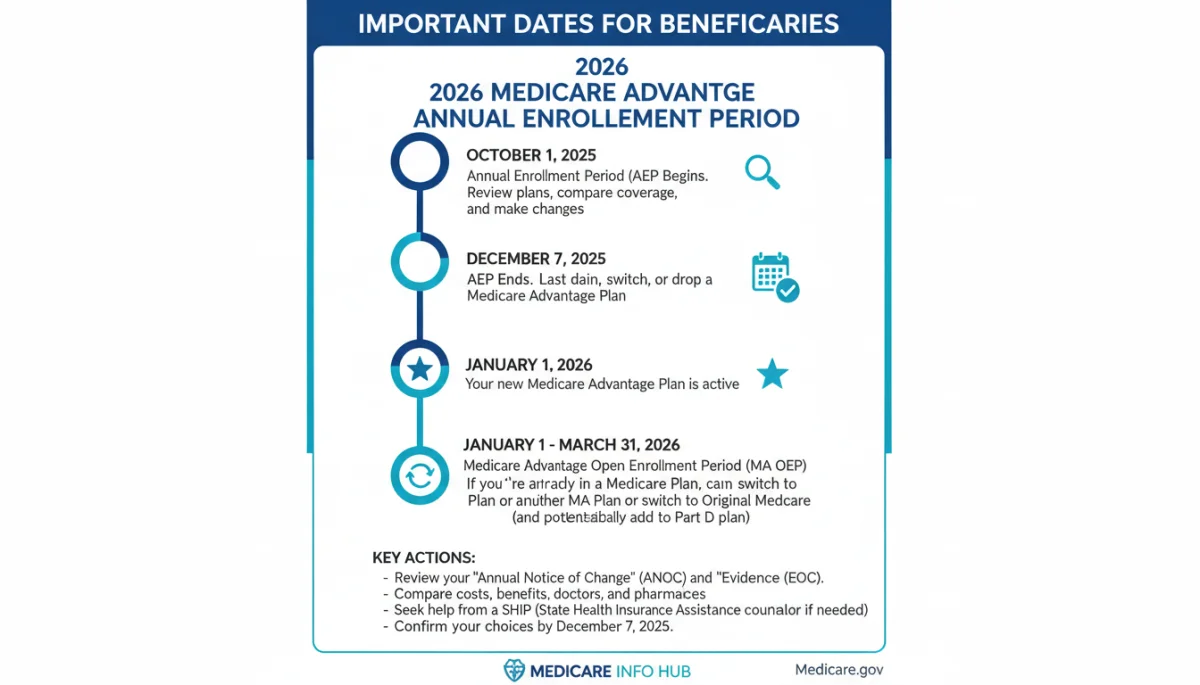
Navigating the enrollment period requires an awareness of critical dates. Missing these deadlines can limit your choices or delay the start of new coverage. It is advisable to mark these dates on your calendar and begin your research well in advance.
- Annual Enrollment Period (AEP) Start: Typically October 15th, allowing beneficiaries to make changes for the following year.
- Annual Enrollment Period (AEP) End: Usually December 7th, with new coverage beginning January 1st.
- Medicare Advantage Open Enrollment Period: From January 1st to March 31st, allowing one plan change for those already in an MA plan.
These dates are subject to change by the Centers for Medicare & Medicaid Services (CMS), so it’s always wise to confirm the exact schedule as it approaches. Being proactive ensures you have ample time to compare plans and consult with trusted advisors.
In essence, the 2026 Medicare Advantage Enrollment Period is more than just a formality; it’s a strategic window to optimize your healthcare. By understanding the timeline and the various opportunities it presents, you can proactively secure a plan that best supports your health and financial well-being for the year ahead.
Evaluating Your Current Health Needs and Coverage
Before diving into the vast ocean of 2026 Medicare Advantage plans, a crucial first step is to thoroughly evaluate your current health needs and existing coverage. This introspective review helps you identify what’s working, what’s not, and what new requirements you might have. Consider any changes in your health, prescription medications, or preferred doctors over the past year.
Many beneficiaries make the mistake of simply re-enrolling in their current plan without proper assessment. However, health conditions can evolve, and so too can the benefits, networks, and costs associated with your plan. A detailed personal audit will serve as your compass during the selection process.
Assessing Prescription Drug Needs
Prescription medications often represent a significant portion of healthcare costs. A thorough review of your current prescriptions is non-negotiable. Check if your current and anticipated medications are covered under the plan’s formulary, and investigate the associated costs, including deductibles, co-pays, and co-insurance.
- Formulary Check: Ensure all your current and anticipated medications are on the plan’s approved drug list.
- Cost Analysis: Compare co-pays, deductibles, and total out-of-pocket costs for your prescriptions across different plans.
- Pharmacy Network: Verify that your preferred pharmacies are in the plan’s network for convenient access and preferred pricing.
Changes in drug prices or formulary inclusions can significantly impact your annual healthcare expenses. A proactive approach to this aspect of your plan evaluation can save you considerable money and stress.
Comparing 2026 Medicare Advantage Plan Types
The 2026 Medicare Advantage market will offer a diverse range of plan types, each with its own structure, benefits, and limitations. Understanding these differences is key to selecting a plan that aligns with your healthcare preferences and financial situation. From Health Maintenance Organizations (HMOs) to Preferred Provider Organizations (PPOs), each type caters to different needs.
It’s not just about the premium; it’s about the overall value, including network flexibility, specialist access, and additional benefits not covered by Original Medicare. Taking the time to understand each plan type will empower you to make a more informed decision.
HMO vs. PPO: What’s the Difference?
The two most common types of Medicare Advantage plans are HMOs and PPOs, each offering distinct advantages and disadvantages. Your choice will largely depend on your preference for network flexibility and referral requirements.
- Health Maintenance Organization (HMO): Typically requires you to choose a primary care physician (PCP) within the plan’s network and obtain referrals for specialists. Offers lower premiums and out-of-pocket costs.
- Preferred Provider Organization (PPO): Provides more flexibility, allowing you to see out-of-network providers, though at a higher cost. No referrals are typically required for specialists.
- Other Plan Types: Includes Private Fee-for-Service (PFFS), Special Needs Plans (SNPs), and Medical Savings Accounts (MSAs), each designed for specific circumstances.
Consider your travel habits, the importance of seeing specific doctors, and your comfort level with referrals when weighing these options. A plan that offers great benefits but restricts your access to preferred providers might not be the best fit.
Navigating Plan Networks and Provider Access
One of the most critical aspects of choosing a Medicare Advantage plan is understanding its network of doctors, hospitals, and specialists. The plan’s network dictates which providers you can see without incurring higher out-of-pocket costs. For 2026, it’s essential to verify that your preferred healthcare providers are still part of any plan you are considering.
Provider networks can change annually, even within the same plan. A doctor who was in-network last year might be out-of-network next year. This is why a proactive check during the enrollment period is indispensable. Ensuring continuity of care with trusted providers is often a top priority for beneficiaries.
Checking Your Doctors and Hospitals
Before finalizing any plan, take the time to confirm that your current primary care physician, specialists, and preferred hospitals are included in the plan’s network. This simple step can prevent significant disruption to your healthcare routine and unexpected expenses.
- Direct Contact: Call your doctors’ offices directly to confirm their participation in the specific 2026 Medicare Advantage plans you’re considering.
- Plan Directories: Utilize the online provider directories provided by insurance companies. Be aware that these can sometimes be outdated, so cross-referencing is recommended.
- Hospital Affiliations: Confirm that your preferred hospitals and urgent care centers are also in-network, especially if you have chronic conditions or anticipate future procedures.
Remember, out-of-network care can be substantially more expensive, and in some cases, may not be covered at all. Prioritizing provider access helps ensure you receive the care you need when you need it, from the professionals you trust.
Understanding Extra Benefits and Plan Costs
Beyond basic medical coverage, many 2026 Medicare Advantage plans offer a variety of extra benefits designed to enhance your overall well-being. These can range from dental, vision, and hearing coverage to fitness programs and transportation assistance. While attractive, it’s crucial to evaluate whether these benefits align with your actual needs and if their value justifies the plan’s overall cost structure.
It’s easy to be swayed by a long list of additional perks, but a critical assessment of how often you’d use them is important. Sometimes, a plan with fewer extra benefits but lower out-of-pocket maximums or better prescription drug coverage might be a more financially sound choice.
Analyzing Premiums, Deductibles, and Out-of-Pocket Maximums
The total cost of a Medicare Advantage plan goes beyond just the monthly premium. You must also consider deductibles, co-payments, co-insurance, and the out-of-pocket maximum. These elements collectively determine your financial exposure throughout the year.
- Monthly Premiums: Some MA plans have a $0 premium, but this doesn’t mean they are free. You still pay your Part B premium.
- Deductibles: The amount you must pay out-of-pocket before your plan begins to pay for services.
- Co-payments and Co-insurance: Fixed amounts or percentages you pay for covered services after meeting your deductible.
- Out-of-Pocket Maximum: The most you will pay for covered services in a year. Once you reach this limit, your plan pays 100% of covered healthcare costs.
A lower premium might come with higher deductibles or co-pays, potentially leading to greater overall costs if you require frequent medical care. Conversely, a higher premium could offer more predictable costs and better coverage. Always compare the full cost structure to avoid surprises.
Tips for a Smooth 2026 Enrollment Process
Approaching the 2026 Medicare Advantage Enrollment Period with a clear strategy can significantly reduce stress and lead to a more confident plan selection. Beyond reviewing your health needs and comparing plans, several practical tips can streamline the entire process, ensuring you don’t miss crucial steps or overlook important details.
Preparation is key. Gathering necessary documents, understanding where to find reliable information, and knowing when to seek expert advice will empower you to navigate the complexities of Medicare Advantage with ease.
Resources and Assistance
You don’t have to navigate the enrollment process alone. Numerous resources are available to provide guidance and support, from government agencies to independent insurance brokers. Leveraging these resources can help clarify doubts and provide personalized recommendations.
- Medicare.gov: The official government website is an invaluable resource for plan comparisons, eligibility information, and general Medicare guidance.
- SHIP (State Health Insurance Assistance Programs): These programs offer free, unbiased counseling to Medicare beneficiaries and their families.
- Licensed Insurance Agents: Agents specializing in Medicare can help you compare plans from various carriers and explain complex details, often at no cost to you.
Start your research early and don’t hesitate to reach out for help. The goal is to find a plan that not only covers your medical needs but also provides peace of mind. A well-chosen plan can significantly impact your health and financial security throughout 2026.
| Key Aspect | Brief Description |
|---|---|
| Enrollment Period | Annual window (Oct 15 – Dec 7) to join, switch, or drop Medicare Advantage plans. |
| Health Needs Evaluation | Assess current health, medications, and preferred providers before selecting a plan. |
| Plan Types & Networks | Understand differences between HMOs, PPOs, and others; verify doctor and hospital inclusion. |
| Costs & Benefits | Compare premiums, deductibles, co-pays, and extra benefits to find the best value. |
Frequently Asked Questions About 2026 Medicare Advantage
The primary Annual Enrollment Period (AEP) for 2026 Medicare Advantage plans typically runs from October 15th to December 7th. Any changes made during this time will become effective on January 1, 2026. It’s crucial to confirm these dates as they approach, as slight adjustments can occur.
Yes, if you’re already enrolled in a Medicare Advantage plan, you can make one change during the Medicare Advantage Open Enrollment Period (MA OEP) from January 1st to March 31st. During this time, you can switch to a different MA plan or return to Original Medicare, sometimes adding a Part D plan.
Key factors include your current health status, prescription drug needs, preferred doctors and hospitals, the plan’s network, monthly premiums, deductibles, co-pays, and the annual out-of-pocket maximum. Also, evaluate any extra benefits like dental, vision, or fitness programs that align with your lifestyle.
It is vital to verify this before enrolling. Provider networks can change annually. Contact your primary care physician and specialists directly or check the plan’s updated provider directory to confirm they are in-network for the specific 2026 plan you are considering. This step prevents unexpected costs.
Absolutely. Medicare.gov is an excellent starting point for official information and plan comparisons. State Health Insurance Assistance Programs (SHIPs) offer free, unbiased counseling, and licensed insurance agents specializing in Medicare can also provide personalized guidance and help navigate complex plan details.
Conclusion
Successfully navigating the 2026 Medicare Advantage Enrollment Period is crucial for ensuring your health coverage aligns with your evolving needs and provides maximum protection. By understanding key dates, diligently evaluating your health requirements, comparing diverse plan types and their networks, and thoroughly analyzing costs and benefits, you empower yourself to make informed decisions. Remember to utilize available resources, such as Medicare.gov and SHIP programs, to gain clarity and confidence in your choices. A proactive and well-researched approach during this period will secure comprehensive and suitable health coverage, offering peace of mind for the year ahead.
