Early Childhood Education 2026: 4 Pedagogical Shifts for Learning
Anúncios
In 2026, early childhood pedagogical shifts are redefining learning, emphasizing personalized, play-based, technology-integrated, and socio-emotionally focused approaches to significantly improve developmental outcomes for young learners.
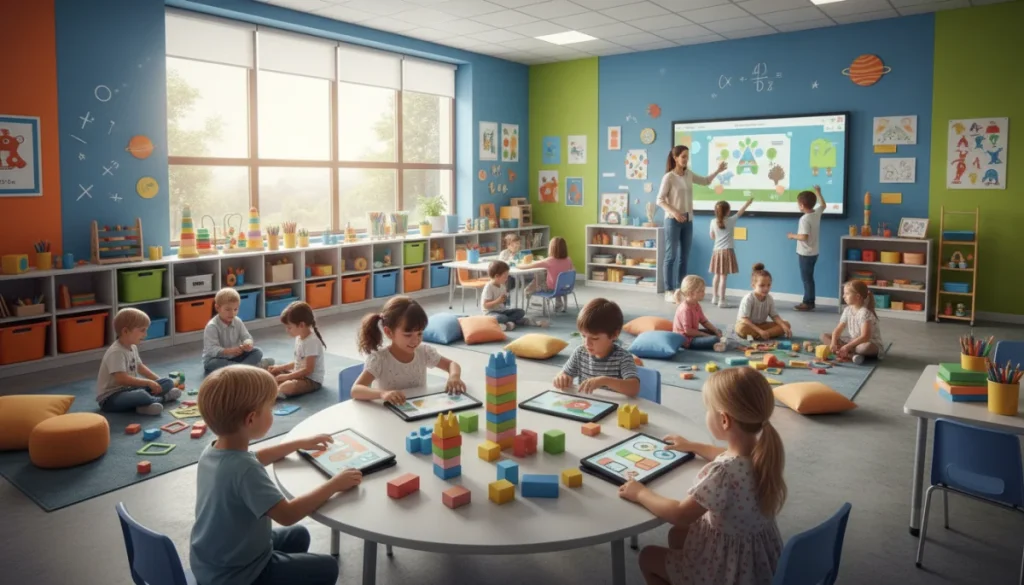
The landscape of education is in constant flux, and nowhere is this more evident than in the foundational years of learning. By 2026, understanding the early childhood pedagogical shifts is crucial for educators, parents, and policymakers alike. These transformative approaches are not merely trends; they represent a fundamental rethinking of how young children learn best, promising improved outcomes and a more holistic developmental experience.
The Rise of Personalized Learning Pathways
Personalized learning has moved beyond a buzzword, becoming a cornerstone of effective early childhood education in 2026. This approach acknowledges that each child is a unique individual with distinct learning styles, paces, and interests. Rather than a one-size-fits-all curriculum, personalized pathways tailor educational experiences to meet these diverse needs, fostering deeper engagement and more meaningful learning.
Historically, classrooms often operated on a standardized model, assuming all children would benefit from the same instruction at the same time. However, research continually underscores the varied developmental trajectories of young learners. Modern pedagogy embraces this variability, utilizing flexible grouping, differentiated instruction, and interest-based activities to create a truly adaptive learning environment.
Implementing Differentiated Instruction
Differentiated instruction is a core component of personalized learning. It involves modifying content, process, products, and the learning environment to cater to individual student needs. In early childhood, this might look like offering various levels of complexity for a single task or providing different ways for children to demonstrate their understanding.
- Flexible Grouping: Children work in small groups that change frequently based on their current learning objectives and skill levels.
- Choice Boards: Offering children a selection of activities to choose from, allowing them to pursue areas of personal interest.
- Tiered Assignments: Providing tasks with varying degrees of complexity or support, ensuring all children can access the curriculum.
- Individualized Feedback: Teachers provide specific, actionable feedback tailored to each child’s performance and progress.
The benefits of personalized learning are extensive, leading to increased motivation, improved academic performance, and a stronger sense of self-efficacy in young children. When learning feels relevant and achievable, children are more likely to take ownership of their educational journey.
In conclusion, the shift towards personalized learning pathways is fundamentally reshaping how we approach early childhood education. By recognizing and responding to each child’s unique developmental profile, educators can create more effective, engaging, and equitable learning experiences that lay a robust foundation for future academic and personal success.
Re-emphasizing Play-Based Learning and Exploration
While play has always been recognized as vital for young children, 2026 sees a renewed and scientifically validated emphasis on play-based learning as a sophisticated pedagogical tool. This isn’t just unstructured free play, but thoughtfully designed environments and activities that leverage children’s natural inclination to explore, experiment, and make sense of their world through play.
The misconception that play is merely a break from ‘real’ learning is being dismantled by mounting evidence. Neuroscientific studies highlight how play stimulates brain development, particularly in areas related to problem-solving, creativity, and social-emotional regulation. Educators are now adept at integrating structured play that subtly guides children towards specific learning objectives without stifling their innate curiosity.
Structured Play for Cognitive Development
Structured play involves intentional planning by educators to achieve specific learning goals within a playful context. It allows children to engage in activities that develop critical cognitive skills while still feeling like organic exploration. This can include role-playing scenarios, construction tasks, or guided sensory experiences.
- Dramatic Play Centers: Encouraging role-playing in ‘stores,’ ‘hospitals,’ or ‘kitchens’ to develop language, social skills, and imaginative thinking.
- Block Building Challenges: Providing specific building materials and asking children to create structures that meet certain criteria, fostering spatial reasoning and problem-solving.
- Outdoor Exploration: Guided nature walks or scavenger hunts that encourage observation, scientific inquiry, and physical development.
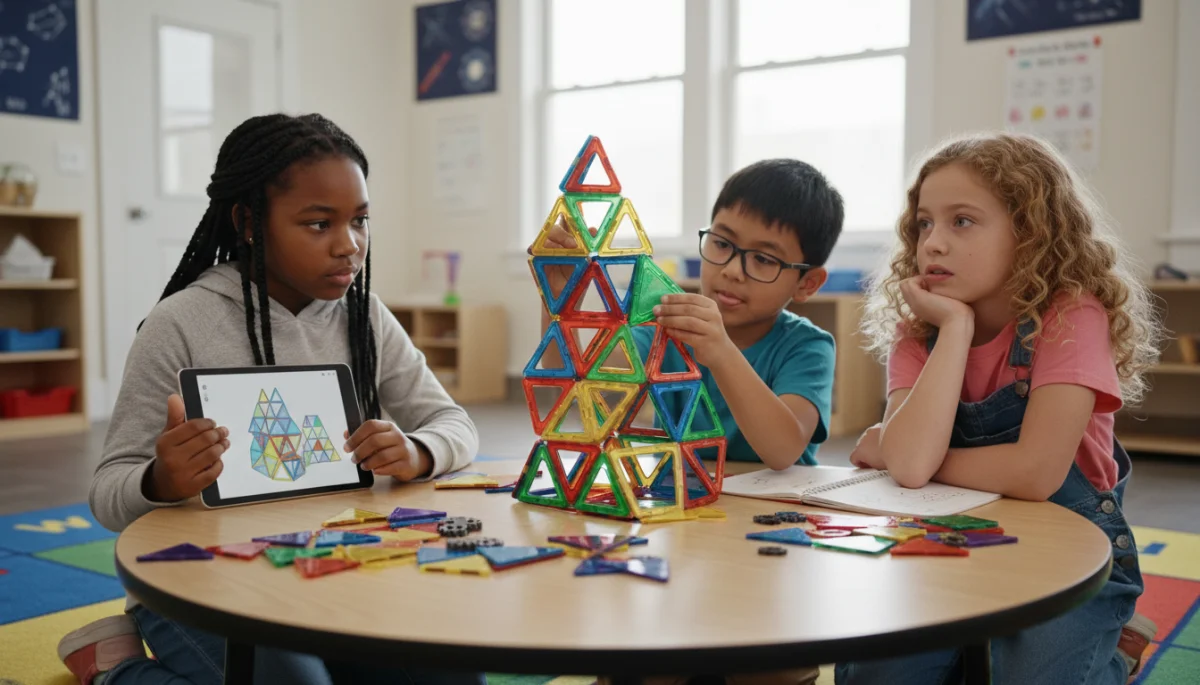
Unstructured play, equally important, provides opportunities for children to direct their own learning, make choices, and develop independence. A balanced approach ensures children benefit from both guided discovery and free exploration, honing a wide range of skills essential for holistic development.
The renewed focus on play-based learning is a testament to its profound impact on early childhood development. By creating environments where play is valued and intentionally integrated, educators are empowering children to become active, joyful learners, equipped with the foundational skills necessary for a lifetime of discovery and intellectual growth.
Integrating Technology Thoughtfully and Purposefully
The integration of technology in early childhood education in 2026 is no longer about simply introducing screens, but about thoughtful, purposeful, and developmentally appropriate use. The focus has shifted from passive consumption to active creation and interaction, leveraging technology as a tool to enhance learning rather than replace traditional methods.
Concerns about excessive screen time are valid, and modern pedagogical shifts address this by advocating for balanced and intentional technology use. This means selecting high-quality educational applications and tools that support learning objectives, promote critical thinking, and encourage collaboration, always under the guidance of a trained educator.
Digital Tools for Enhanced Engagement
Technology, when used effectively, can open up new avenues for engagement and learning. Interactive whiteboards, educational apps, and coding games can make abstract concepts tangible and provide immediate feedback, catering to diverse learning styles and keeping young minds stimulated.
- Interactive Storytelling: Using digital platforms to create and share stories, enhancing literacy and imaginative skills.
- Educational Apps: Curated apps that offer adaptive learning experiences in math, science, and language arts.
- Early Coding Activities: Introducing foundational coding concepts through playful, screen-free or tablet-based games to develop logical thinking.
Furthermore, technology can facilitate communication between home and school, allowing parents to stay informed about their child’s progress and participate more actively in their educational journey. Digital portfolios, for instance, offer a visual and dynamic way to showcase a child’s learning achievements and growth over time.
In summary, the thoughtful integration of technology represents a significant pedagogical shift. By moving beyond mere exposure to screens and embracing technology as a dynamic tool for active learning, early childhood educators are preparing children for a digitally fluent future while ensuring their developmental needs are met in a balanced and enriching manner.
Prioritizing Social-Emotional Learning (SEL)
Social-Emotional Learning (SEL) has emerged as a critical component of early childhood education in 2026, recognized as equally important as academic achievement. This pedagogical shift acknowledges that a child’s ability to understand and manage emotions, build healthy relationships, and make responsible decisions forms the bedrock for all other learning and life success.
The pressures of modern life, coupled with increased awareness of mental health, have propelled SEL to the forefront. Educators are now equipped with strategies and curricula designed to explicitly teach socio-emotional skills, moving beyond the assumption that these abilities will simply develop naturally. This intentional focus creates more resilient, empathetic, and well-adjusted individuals.
Curricula and Strategies for SEL
Integrating SEL involves a range of practices, from explicit lessons on emotions to fostering a classroom culture that values empathy and cooperation. It’s about teaching children to identify their feelings, understand others’ perspectives, and navigate social situations constructively.
- Emotion Coaching: Teachers help children recognize and label their feelings, guiding them through strategies for managing difficult emotions.
- Conflict Resolution Skills: Teaching children simple steps to resolve disagreements peacefully, such as ‘talk it out’ or ‘take turns.’
- Cooperative Play: Structuring activities that require teamwork and sharing, building skills in collaboration and compromise.
- Mindfulness Practices: Introducing simple breathing exercises or quiet time to help children develop self-regulation and focus.
The benefits of strong SEL foundations extend far beyond the classroom, impacting children’s relationships, mental well-being, and future academic and career prospects. Children with well-developed socio-emotional skills are better able to cope with stress, adapt to change, and form positive connections with others.
Ultimately, the prioritization of Social-Emotional Learning marks a profound and necessary shift in early childhood pedagogy. By nurturing children’s emotional intelligence and social competencies, educators are not only improving immediate learning outcomes but also equipping them with invaluable tools for navigating the complexities of life with confidence and compassion.
Fostering Environmental and Global Awareness
In 2026, early childhood education increasingly emphasizes fostering environmental and global awareness. This pedagogical shift aims to cultivate responsible citizens who understand their place in the world and the importance of sustainability. It moves beyond abstract concepts, integrating real-world issues into children’s daily learning experiences.
With growing environmental concerns and an increasingly interconnected world, it’s imperative to introduce these concepts at an early age. Young children are naturally curious about the world around them, making early childhood an ideal time to instill values of respect for nature, cultural understanding, and global citizenship. This prepares them to face future challenges with an informed and empathetic perspective.
Integrating Sustainability and Cultural Appreciation
This shift involves hands-on activities that connect children directly with nature and expose them to diverse cultures. It’s about making these vast concepts tangible and relatable, building a foundation for lifelong learning and responsible action.
- Nature Exploration: Regular outdoor activities like gardening, nature walks, and observing local wildlife to foster appreciation for the natural world.
- Recycling and Composting Projects: Engaging children in practical sustainability efforts within the classroom and school environment.
- Cultural Celebrations: Exploring traditions, foods, and stories from various cultures to promote diversity and global understanding.
- Global Storytelling: Reading books and sharing tales from around the world to broaden perspectives and empathy.
By integrating environmental and global awareness, educators are not just teaching facts; they are nurturing a sense of stewardship and interconnectedness. Children learn that their actions have an impact, both locally and globally, fostering a proactive and caring attitude towards the planet and its inhabitants.
This pedagogical focus ensures that early learners develop an early understanding of complex global issues, enabling them to become thoughtful, engaged, and responsible global citizens. It’s a vital step towards building a more sustainable and harmonious future, starting with the youngest members of our society.
The Role of Family and Community Engagement
The pedagogical shifts in early childhood education by 2026 strongly underscore the indispensable role of family and community engagement. Recognizing that a child’s learning environment extends far beyond the classroom walls, educators are increasingly building robust partnerships with families and local communities. This collaborative approach creates a more cohesive and supportive ecosystem for young learners, enhancing their overall development and academic success.
Research consistently shows that when families are actively involved in their child’s education, children achieve better outcomes. This shift moves beyond traditional parent-teacher conferences, advocating for genuine partnerships where families are seen as co-educators and valuable resources. Similarly, engaging with the wider community provides rich, authentic learning experiences that connect classroom lessons to the real world.
Strategies for Meaningful Engagement
Effective family and community engagement requires intentional strategies that foster open communication, mutual respect, and shared responsibility for a child’s learning journey. This can involve a variety of initiatives designed to make families feel welcome and empowered.
- Parent Workshops: Offering sessions on topics like early literacy, positive discipline, or navigating digital learning tools, empowering parents with skills and knowledge.
- Volunteer Opportunities: Inviting parents and community members to share their talents and expertise in the classroom, enriching the learning experience for all children.
- Community Field Trips: Organizing visits to local libraries, fire stations, or community gardens, connecting classroom learning to real-world contexts.
- Home-School Communication Platforms: Utilizing digital tools to share daily updates, photos, and learning resources, ensuring a continuous dialogue between home and school.
When families and communities are actively involved, children benefit from a consistent message about the value of education and a broader network of support. This holistic approach helps bridge achievement gaps and fosters a sense of belonging and confidence in young learners.
In conclusion, the emphasis on family and community engagement is a vital pedagogical shift, acknowledging that a child’s education is a shared responsibility. By fostering strong partnerships, early childhood programs are creating a nurturing and expansive learning environment that supports every child’s potential, preparing them not just for school, but for life within their community and the world.
| Pedagogical Shift | Key Benefit |
|---|---|
| Personalized Learning | Tailored education meets individual needs, boosting engagement and outcomes. |
| Play-Based Learning | Fosters creativity, problem-solving, and social-emotional skills through exploration. |
| Thoughtful Tech Integration | Enhances active learning and engagement with purposeful digital tools. |
| Social-Emotional Learning (SEL) | Develops emotional intelligence, healthy relationships, and responsible decision-making. |
Frequently Asked Questions About Early Childhood Education Shifts
Personalized learning tailors educational experiences to each child’s unique pace, style, and interests. It moves away from standardized instruction, using differentiated activities and flexible grouping to maximize individual engagement and optimize learning outcomes for young children.
Play-based learning fosters critical cognitive skills like problem-solving, creativity, and language development. It also enhances social-emotional regulation and imagination, allowing children to explore and learn actively in a natural, engaging way, which is crucial for holistic development.
In 2026, technology is used thoughtfully and purposefully as an enhancement tool, not a replacement. It supports active learning through interactive apps, coding games, and digital storytelling, under educator guidance, ensuring developmentally appropriate engagement and preparing children for a digital world.
SEL is vital because it equips young children with skills to understand and manage emotions, build healthy relationships, and make responsible decisions. These foundational skills are crucial for academic success, mental well-being, and navigating social complexities throughout their lives.
Families can engage by participating in parent workshops, volunteering in classrooms, and utilizing home-school communication platforms. Active involvement creates a cohesive learning environment, reinforcing educational values and supporting their child’s development both at home and at school.
Conclusion
The evolving landscape of early childhood education in 2026 reflects a deeper understanding of how young children learn and thrive. The pedagogical shifts towards personalized learning, play-based exploration, thoughtful technology integration, and robust social-emotional development are not isolated changes but interconnected strategies designed to create more effective, engaging, and equitable learning environments. By embracing these advancements, educators and families are laying a stronger foundation for children’s academic success, personal well-being, and their future roles as informed, empathetic citizens in an ever-changing world. These shifts underscore a commitment to nurturing the whole child, ensuring that every young learner has the opportunity to reach their full potential.
