U.S. College Readiness: 6-Month Plan for 2026 Juniors

Anúncios
High school juniors aiming for U.S. colleges in 2026 can effectively achieve readiness by following a structured 6-month action plan encompassing academic rigor, standardized test preparation, and strategic application development.
Achieving U.S. College Readiness: A 6-Month Action Plan for High School Juniors in 2026 might seem like a daunting task, but with a clear roadmap and consistent effort, it’s entirely within reach. This guide is designed to break down the complex journey into manageable steps, ensuring you’re well-prepared for the competitive landscape of college admissions.
Understanding the College Application Landscape
The journey to a U.S. college is multifaceted, demanding more than just good grades. It requires a strategic approach that considers academics, extracurriculars, standardized tests, and compelling essays. High school juniors, especially those targeting 2026 admissions, need to start early to build a strong profile.
Navigating the various application platforms, understanding different college requirements, and meeting deadlines can be overwhelming. This section aims to demystify these aspects, providing a foundational understanding of what colleges truly look for in prospective students.
Key Components of a Strong Application
- Academic Transcript: Colleges scrutinize your grades, course rigor, and GPA. Advanced Placement (AP), International Baccalaureate (IB), and dual enrollment courses demonstrate your ability to handle college-level work.
- Standardized Test Scores: SAT or ACT scores remain a significant factor, even with the rise of test-optional policies. A strong score can enhance your application.
- Extracurricular Activities: Participation in clubs, sports, community service, and part-time jobs showcases your interests, leadership potential, and commitment outside academics.
Understanding these components early allows you to tailor your high school experience to align with college expectations. Every choice, from your classes to your summer activities, can contribute to a more robust application.
In essence, a strong college application tells a cohesive story about who you are, what you’re passionate about, and how you will contribute to the college community. Starting this process during your junior year provides ample time to refine your narrative and strengthen any weaker areas.
Month 1-2: Academic Foundations and Self-Assessment
The initial two months of your 6-month plan should focus on solidifying your academic foundation and conducting a thorough self-assessment. This period is crucial for identifying your strengths, areas for improvement, and potential college preferences. It sets the stage for the strategic decisions you’ll make in the subsequent months.
During this phase, it’s important to reflect on your academic performance and extracurricular involvement thus far. Are your grades where they need to be? Are you challenging yourself with rigorous courses? These questions will guide your academic choices for the remainder of your junior year and beyond.
Evaluating Your Academic Profile
Take a close look at your transcript. Identify any courses where you could improve your grades and seek additional support if needed. Consider taking more challenging courses if your schedule allows, as this demonstrates intellectual curiosity and readiness for college-level work.
- Review current GPA and course load: Ensure you’re on track for college admission.
- Identify areas for academic improvement: Seek tutoring or extra help if struggling.
- Explore advanced courses: AP, IB, or dual enrollment can boost your academic profile.
Beyond academics, begin to think about your interests and what you truly want in a college experience. This self-reflection will help narrow down your college list later on.
This foundational period is not just about numbers; it’s about understanding your personal and academic trajectory. By honestly assessing your current standing, you can create a more effective and personalized plan for the months ahead.
Month 3-4: Standardized Test Preparation and Exploration
Months three and four are dedicated to mastering standardized tests and beginning your college exploration. These two elements, while distinct, are interconnected: strong test scores can open doors to more selective institutions, while early exploration helps you understand which doors you want to open. This period requires discipline and focused effort.
Standardized tests like the SAT and ACT are often a significant hurdle for many students. Consistent, structured preparation can make a substantial difference in your scores. Simultaneously, actively researching colleges will provide clarity and motivation for your test prep.
Strategic Test Preparation
Begin by taking a diagnostic test for both the SAT and ACT to determine which exam aligns better with your strengths. Once you decide, commit to a study plan.
- Choose between SAT/ACT: Take practice tests to identify your preferred exam.
- Develop a study schedule: Dedicate consistent time each week to preparation.
- Utilize resources: Online platforms, prep books, and tutors can be invaluable.
- Consider test dates: Plan to take your first official test by late junior year or early senior year.
While preparing for tests, start your college search. This involves more than just looking at rankings; it’s about finding a good fit academically, socially, and financially. Explore different types of institutions, from large public universities to small liberal arts colleges.
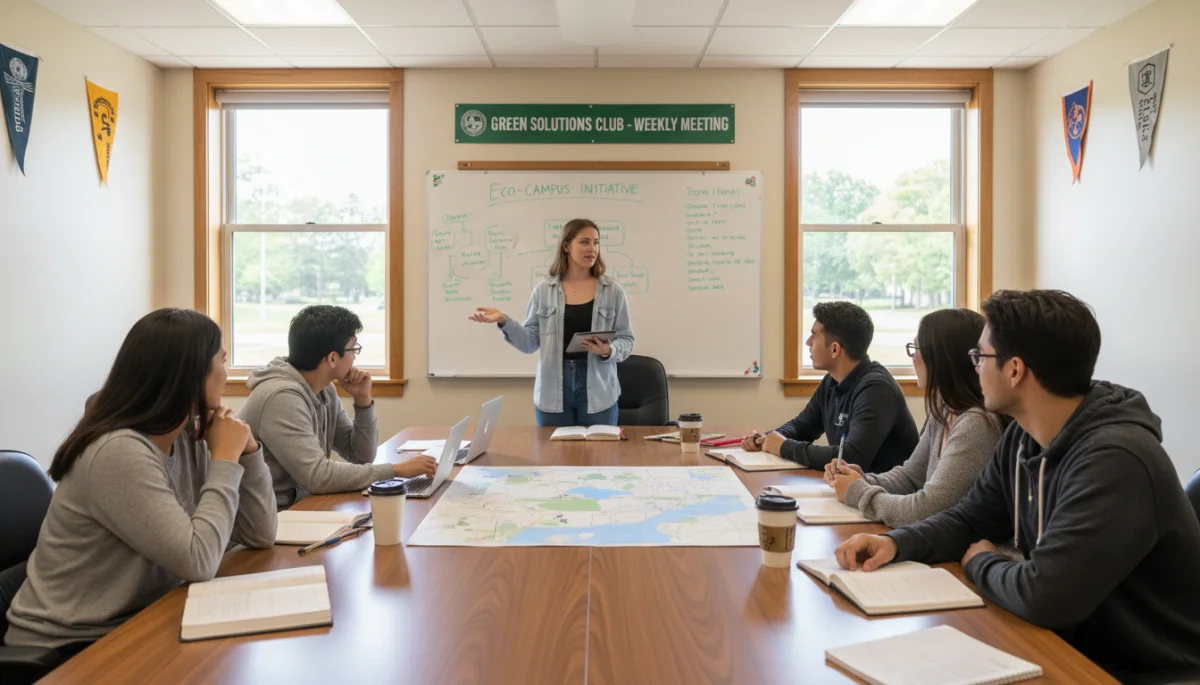
Engage in virtual tours, attend online information sessions, and if possible, visit local campuses. This firsthand (or virtual-firsthand) experience can provide invaluable insights into the campus culture and academic environment.
By diligently preparing for standardized tests and actively exploring colleges during these months, you’ll gain confidence and a clearer vision for your future academic path.
Month 5: Extracurricular Deep Dive and Recommendation Strategy
Month five shifts focus to strengthening your extracurricular profile and strategically planning for recommendation letters. Colleges seek well-rounded individuals who contribute meaningfully outside the classroom. This month is about showcasing your passions and ensuring your mentors can articulate your best qualities.
Your extracurricular activities provide a glimpse into your personality, commitments, and leadership potential. It’s not about the number of activities, but the depth of your involvement and the impact you’ve made. Similarly, thoughtful recommendation letters can significantly bolster your application, offering an external perspective on your character and abilities.
Maximizing Extracurricular Impact
Rather than joining many clubs superficially, focus on a few where you can take on leadership roles or make a significant contribution. Colleges value sustained commitment and demonstrable impact.
- Deepen involvement: Seek leadership positions or initiate projects within your existing activities.
- Document achievements: Keep a running list of your accomplishments, roles, and hours spent.
- Seek new opportunities: Consider volunteering, internships, or part-time jobs relevant to your interests.
Simultaneously, identify teachers and counselors who know you well and can write strong letters of recommendation. Approach them respectfully and provide them with all the necessary information.
Prepare a ‘brag sheet’ or resume that highlights your academic achievements, extracurricular involvement, and any personal qualities you’d like them to emphasize. Give them ample time to write thoughtful letters, ideally a few months before application deadlines.
This month’s efforts in extracurricular engagement and recommendation planning are vital for presenting a holistic and compelling portrait of yourself to admissions committees.
Month 6: Crafting Your Narrative and Early Application Steps
The final month of your 6-month plan is dedicated to crafting your personal narrative through essays and initiating early application steps. This is where all your hard work from the previous months converges into a cohesive and persuasive application. Your essays are your chance to speak directly to the admissions committee, revealing your unique voice and perspective.
This period involves significant writing, reflection, and organization. It’s about translating your experiences and aspirations into compelling narratives that resonate with college admissions officers. Starting early on essays alleviates stress and allows for multiple revisions.
Developing Powerful Essays
The personal essay is often the most challenging part of the application but also one of the most impactful. Choose a topic that genuinely reflects who you are and what matters to you.
- Brainstorm topics: Reflect on significant experiences, challenges, or passions.
- Start early: Give yourself plenty of time for drafting, revising, and getting feedback.
- Show, don’t just tell: Use vivid details and anecdotes to illustrate your points.
- Proofread meticulously: Errors can detract from even the most brilliant essay.
Beyond the main essay, many colleges require supplemental essays. Research these prompts and begin outlining your responses. Keep track of deadlines for each college and essay.
This month also involves creating accounts on application platforms like the Common Application or Coalition Application and beginning to fill out preliminary information. Request your high school transcript and standardized test scores to be sent to your chosen colleges. Ensure all required documents are gathered and organized.
By focusing on your narrative and taking these concrete application steps, you’ll enter your senior year with a significant head start, allowing you to refine your applications rather than scrambling to complete them.
Looking Ahead: Summer and Senior Year Preparation
As your junior year concludes and your 6-month action plan culminates, it’s essential to look ahead to the summer before senior year and the senior year itself. This period is not a break but a continuation of your college readiness journey, offering opportunities to further strengthen your application and prepare for the transition to higher education.
The summer provides a valuable chance to engage in meaningful activities that align with your interests and academic goals. Senior year will then be about finalizing applications, making crucial decisions, and maintaining academic momentum.
Strategic Summer Engagement
Utilize the summer wisely to enhance your profile. This could involve academic enrichment, work experience, or continued community service.
- Summer programs: Attend college-sponsored programs or academic camps related to your major.
- Work or internships: Gain real-world experience and develop professional skills.
- Volunteering: Continue or start new community service initiatives.
- College visits: If possible, visit campuses in person to finalize your preferences.
Entering senior year, your primary focus will be on submitting applications, securing financial aid, and making your final college decision. Continue to excel academically, as colleges will review your senior year grades.
Maintain open communication with your school counselor and teachers, especially regarding recommendation letters and transcript submissions. Stay organized with deadlines and requirements for each institution on your list. Remember, a strong finish to high school is just as important as a strong start.
This forward-looking perspective ensures that the momentum built during your junior year carries through to a successful college application and acceptance process.
| Key Action | Description |
|---|---|
| Academic Review | Evaluate GPA, course rigor, and seek improvement areas. |
| Test Preparation | Prepare for SAT/ACT with consistent study and practice tests. |
| Extracurricular Enhancement | Deepen involvement in activities and seek leadership roles. |
| Essay Development | Brainstorm, draft, and revise personal and supplemental essays. |
Frequently Asked Questions About College Readiness
While a strong GPA and challenging coursework are paramount, colleges also highly value standardized test scores, compelling essays, meaningful extracurricular involvement, and strong recommendation letters. A holistic review considers all aspects of your profile.
It’s often recommended to take a diagnostic test for both to see which format suits your strengths better. Focusing on excelling in one exam is generally more effective than splitting your preparation time between both.
Colleges prefer depth over breadth. Focus on a few activities you’re passionate about, pursue leadership roles, and demonstrate sustained commitment and impact. Quality of involvement is more important than the quantity of activities.
Ideally, start brainstorming and drafting your college essays during the summer before your senior year. This allows ample time for reflection, multiple revisions, and feedback, leading to a more polished and authentic piece of writing.
While strong grades are important, colleges understand that academic journeys vary. Focus on showing an upward trend, taking challenging courses, and explaining any dips in your academic performance in your application if appropriate. Highlight your resilience and growth.
Conclusion
Embarking on the journey of Achieving U.S. College Readiness: A 6-Month Action Plan for High School Juniors in 2026 is a significant undertaking, but it is entirely manageable with a strategic and consistent approach. By meticulously planning your academics, dedicating time to standardized test preparation, engaging deeply in extracurricular activities, and crafting compelling application materials, you position yourself for success. This structured plan provides the framework; your dedication and unique story will ultimately distinguish your application. Embrace each step with confidence, knowing that your proactive efforts will pave the way to a rewarding college experience.
